- Description
-
- Creator(s)
- Thomas Girtin (1775-1802) after Unknown Artist
- Title
-
- An Unidentified Country Church and Churchyard, Probably Ombersley in Worcestershire
- Date
- 1795 - 1796
- Medium and Support
- Watercolour and pen and ink on laid paper
- Dimensions
- 18.2 × 20.2 cm, 7 ⅛ × 8 in
- Inscription
‘Girtin’ lower left, by Thomas Girtin
- Object Type
- Studio Watercolour; Work after an Amateur Artist
- Subject Terms
- Gothic Architecture: Parish Church
-
- Collection
-
- Private Collection, Norfolk
- (I-E-18)
- Catalogue Number
- TG1448
- Girtin & Loshak Number
- 172 as 'A Country Church and Churchyard'; '1796'
- Description Source(s)
- Viewed in 2001 and April 2022
Provenance
Thomas Calvert Girtin (1801–74); then by descent to George Wyndham Hog Girtin (1835–1911); by a settlement to his sister, Ida Johanna Hog Rogge, née Girtin (1834–1925), January 1880 as 'Church and Churchyard'; sold by her to J. Palser & Sons, 1901; bought from them by Sir Hickman Bacon (1855–1945); then by descent
Exhibition History
London, 1946, no.88; Arts Council, 1946, no.73; Boston, 1948, no.127; Dulwich, 2001, no.8 as ’A Country Church with Spire ... late 1790s?’
Bibliography
Davies, 1924, pl.59
Other entries in First Steps as a Professional Artist:
James Moore and British Antiquities


A Timber Framed House, near Hastings
Newport Museum and Art Gallery


An Interior View of the Ruined East End of Tynemouth Priory Church
Yale Center for British Art, New Haven


Jedburgh Abbey, from the East
Private Collection


Craigmillar Castle, near Edinburgh
Ashmolean Museum, University of Oxford


The West Front of Exeter Cathedral, and St Mary Major
The Mellon Bank Collection, Pittsburgh


Stonehenge during a Thunderstorm
Ashmolean Museum, University of Oxford

The East End of Tynemouth Priory Church
Private Collection

Kidwelly Castle
Rhode Island School of Design Museum, Providence

Ludlow Castle: The Gatehouse
Private Collection

Dumbarton Rock and the Castle, from the North West
Yale Center for British Art, New Haven


Jedburgh Abbey, from the East
Yale Center for British Art, New Haven

Interior of the Albion Mills, Southwark, after the Fire
Private Collection

Kinloss Abbey: The Abbot's House
National Gallery of Scotland, Edinburgh

Conwy Castle, Looking West
Ashmolean Museum, University of Oxford

Duff House, from the South
Ashmolean Museum, University of Oxford


An Unidentified Round Tower
The Huntington Library, Art Museum and Botanical Gardens, San Marino

Glasgow Cathedral, from the North East
Yale Center for British Art, New Haven

Part of the Ruins of Alton Castle
Ashmolean Museum, University of Oxford

The West Front of Valle Crucis Abbey Church
Private Collection

The Albion Mills, Southwark, after the Fire
Newport Museum and Art Gallery


Bamburgh Castle, from the East
Ashmolean Museum, University of Oxford


The Ruins of the East End of St Andrews Cathedral
Birmingham Museums & Art Gallery

Warkworth Castle, from the River Coquet
Touchstones Rochdale


Colchester Castle
Ashmolean Museum, University of Oxford

The Great Keep, Kenilworth Castle
Yale Center for British Art, New Haven

The Castle Rock, Edinburgh
Fitzwilliam Museum, University of Cambridge

London: The Demolition of the Old Porch of the Guildhall
London Metropolitan Archives


The Gatehouse, Denbigh Castle
Yale Center for British Art, New Haven


Kirkstall Abbey, from the South East
Private Collection

Buildwas Abbey
Rhode Island School of Design Museum, Providence


The West Front of Brechin Cathedral, with the Round Tower
Private Collection

The Great Gate, St Augustine’s Abbey, Canterbury
Philadelphia Museum of Art

Conwy Castle: The Bakehouse Tower
Private Collection


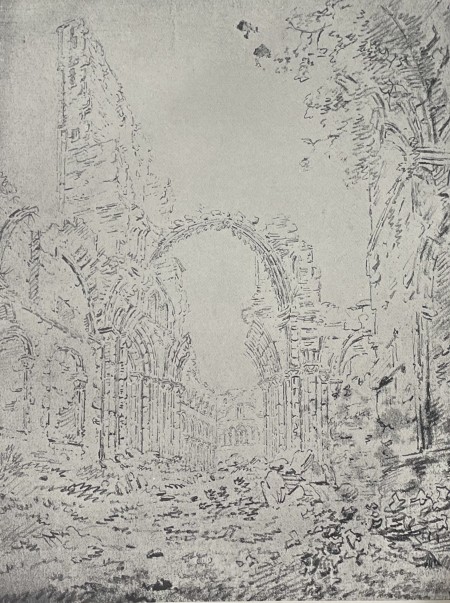
Lindisfarne Priory Church, Looking West from the Choir
Tate, London

Kirkstall Abbey, from the North West
Yale Center for British Art, New Haven

The Tithe Barn at Abbotsbury, with St Catherine's Chapel on the Hill Beyond
Yale Center for British Art, New Haven

Kirkstall Abbey, from the South East
Ashmolean Museum, University of Oxford

Dunstaffnage Castle
Ashmolean Museum, University of Oxford

Spynie Palace, near Elgin
Ashmolean Museum, University of Oxford

Dunnottar Castle in a Thunderstorm
Ashmolean Museum, University of Oxford


Part of the Ruins of Croxden Abbey, from the East
Ashmolean Museum, University of Oxford

The Great Keep, Kenilworth Castle, with Leicester's Gatehouse in the Distance
Yale Center for British Art, New Haven

Battle Church, from the South East
Ashmolean Museum, University of Oxford

The East End of Valle Crucis Abbey Church
Indianapolis Museum of Art at Newfields
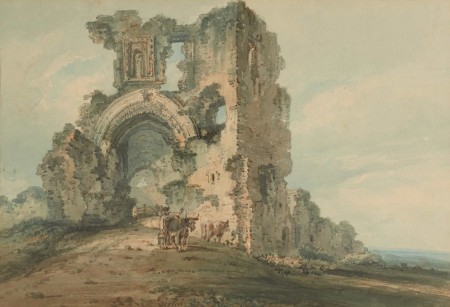
The Gatehouse, Denbigh Castle
Private Collection

The Ruins of Lewes Castle, from the West
Private Collection

Ewell Church, with a Funeral Procession Approaching
Queensland Art Gallery, Brisbane


Rustic Figures in a Landscape, with Pigs
Metropolitan Museum of Art, New York

St Peter's Church, Bexhill, from the East
Private Collection

Warkworth Castle, from the River Coquet
Ashmolean Museum, University of Oxford

A Cow Grazing near a Pond, with a Church Tower Beyond
Private Collection


Duff House, from the River
Ashmolean Museum, University of Oxford

Hastings: A Timber Framed House
Ashmolean Museum, University of Oxford

A Landscape with a Shepherd and Flock
The Huntington Library, Art Museum and Botanical Gardens, San Marino

Melrose Abbey, from the South West
Private Collection

A Cottage, Said to Be near Battle in Sussex
Private Collection

Ely Cathedral, from the South East
Ashmolean Museum, University of Oxford

The East End of Valle Crucis Abbey Church
Private Collection

The East End of Valle Crucis Abbey Church
Private Collection

Lindisfarne Priory Church, Looking West from the Choir
Private Collection, Scotland


Pegwell Bay, near Ramsgate
Yale Center for British Art, New Haven

Pevensey Castle: The North Tower with the Gatehouse in the Distance
Yale Center for British Art, New Haven

The Spire of Salisbury Cathedral, from Chorister's Green
Private Collection

The Landgate, Rye
Yale Center for British Art, New Haven

The Landgate, Rye
Ashmolean Museum, University of Oxford

The Gatehouse, Saltwood Castle
Yale Center for British Art, New Haven

The Gatehouse, Saltwood Castle
Ashmolean Museum, University of Oxford

The Strand Gate, Winchelsea
Yale Center for British Art, New Haven

The West Tower, All Saints' Church, Hastings
Ashmolean Museum, University of Oxford

Rochester Castle, from the South
Ashmolean Museum, University of Oxford

The West Front of Byland Abbey
Birmingham Museums & Art Gallery


All Saints' Church, Hastings, from the North East
Ashmolean Museum, University of Oxford

A Timber Framed House, near Hastings
Ashmolean Museum, University of Oxford

Kenilworth Castle: The View from the South East
Private Collection

Kenilworth Castle: Seen from the South East
Private Collection

Tolleshunt D’Arcy Church
Private Collection

St Peter's Church, Bexhill, from the South East
Ashmolean Museum, University of Oxford

The Ruined Gatehouse, Saltwood Castle, Seen from the North
Ashmolean Museum, University of Oxford

Saltwood Castle: The Gatehouse
Private Collection

The Ruined Gatehouse, Pevensey Castle, from the East
Ashmolean Museum, University of Oxford

The Ruined Gatehouse, Pevensey Castle
Ashmolean Museum, University of Oxford

The Gatehouse, Battle Abbey
Clark Art Institute, Williamstown

Carlisle Cathedral, from the South West
Yale Center for British Art, New Haven


The Gatehouse, Battle Abbey
Private Collection


St Mary the Virgin, Eastbourne
Ashmolean Museum, University of Oxford

An Unidentified Landscape with a Figure Seated on a Gate under a Tree
Private Collection

The West Front of Crowland Abbey
Ashmolean Museum, University of Oxford

The West Front of Crowland Abbey
Ashmolean Museum, University of Oxford

Pevensey Castle: View of the North and East Towers
Private Collection

The Ruins of the Great Hall, Kenilworth Castle
Ashmolean Museum, University of Oxford

All Saints' Church, Hastings, from the North West
Ashmolean Museum, University of Oxford

The Refectory, St Martin’s Priory, Dover
Philadelphia Museum of Art


Saltwood Castle: The Gatehouse from a Farmyard
Ashmolean Museum, University of Oxford

Spynie Palace: A Coastal View
Yale Center for British Art, New Haven

St Clement's Church, with Hastings in the Distance
Ashmolean Museum, University of Oxford

The East End of the Church of St Thomas, Winchelsea
Private Collection

The East End of the Church of St Thomas, Winchelsea
Ashmolean Museum, University of Oxford

The West Tower, St Clement's Church, Hastings; Studies of a Horse in Harness and Numerous Architectural Details
Ashmolean Museum, University of Oxford

Undercliff, near Hastings
Ashmolean Museum, University of Oxford

The Ypres Tower, Rye
Ashmolean Museum, University of Oxford

An Unidentified Village with a Half-Timbered House
Ashmolean Museum, University of Oxford

Hastings: The View across the Beach to Castle Hill
Hastings Museum and Art Gallery

Hastings Castle and Priory Bridge
Hastings Museum and Art Gallery

Tolleshunt D’Arcy Church
National Gallery of Scotland, Edinburgh

Battle Abbey Gatehouse, from the South West
Ashmolean Museum, University of Oxford

St Clement’s Church, Sandwich, from the North
Ashmolean Museum, University of Oxford

St Peter's Church, Bexhill: The West Tower
Ashmolean Museum, University of Oxford

Glasgow Cathedral, from the South West
Bolton Museum and Art Gallery


The East End of Icklesham Church
Ashmolean Museum, University of Oxford

The Refectory, St Martin’s Priory, Dover
The Huntington Library, Art Museum and Botanical Gardens, San Marino


The Gatehouse of Beckingham Hall, Tolleshunt Major
Yale Center for British Art, New Haven

Glamis Castle (Macbeth's Castle)
Private Collection, Norfolk


One of the Alard Monuments in the Church of St Thomas, Winchelsea
Ashmolean Museum, University of Oxford

One of the Alard Monuments in the Church of St Thomas, Winchelsea
Ashmolean Museum, University of Oxford

Pegwell Bay, near Ramsgate
Harvard Art Museums / Fogg Museum, Loan from George and Patti White

A Thatched Barn with Farm Animals
Private Collection

A Timber-Frame House with a Hill Beyond
Tate, London


A Farmyard with Pigs Drinking at a Pond
The Huntington Library, Art Museum and Botanical Gardens, San Marino

A Barn with a Figure, Cattle and Poultry
Courtauld Gallery, London

Malmesbury: The Market Cross
Athelstan Museum, Malmesbury


An Unidentified Country Church and Churchyard, Probably Ombersley in Worcestershire
Private Collection, Norfolk

Revisions & Feedback
The website will be updated from time to time and, when changes are made, a PDF of the previous version of each page will be archived here for consultation and citation.
Please help us to improve this catalogue
If you have information, a correction or any other suggestions to improve this catalogue, please contact us.
About this Work
All attempts to identify the subject of this work have failed, which is surprising given the idiosyncratic form of the church, with its Early English chancel dwarfing a fourteenth-century nave and a fine spire rounding off the composition. Without being able to identify the location, it is difficult to say whether Girtin worked from a drawing sketched on his travels or whether the work was copied from another source. The fact that the watercolour appears to date from around 1795–96, on stylistic grounds, limits the potential candidates for the former possibility to either a building immediately adjacent to London or one seen on the 1794 trip to the Midland counties that Girtin undertook with his earliest patron, the amateur artist and antiquarian James Moore (1762–99). The octagonal form of the spire with its prominent series of lucarnes is characteristic of a group of churches in Northamptonshire that includes St John the Baptist, Harringworth. It is possible that Girtin sketched just such a building in 1794, though the often radical changes that medieval buildings were subjected to during the Victorian era mean that we may never identify the subject in this way. If we are to locate the church, it will in all probability be because of the discovery of a contemporary drawing that has been inscribed, and, given that Moore provided Girtin with the sources for numerous views of the nation’s medieval heritage, his sketches may provide the missing clue here. The fact that this work did not come from Moore’s collection, unlike the similar view of Tolleshunt D’Arcy Church (TG0317), does not preclude the possibility that one of his pencil outlines was used by Girtin, however. The artist used pencil copies of Moore’s sketches to create a number of watercolours for other early patrons, including three views of Valle Crucis Abbey (TG0204, TG0208 and TG0159), none of which were owned by the antiquarian, and this is what I suspect happened in this case too.
Shortly before this site was archived it was finally possible to identify the church in this strange and compelling work. Using Google Lens the church in Girtin's work was matched with an engraving dating from 1822 of St Andrews in Ombersley in Worcestershire. There are a number of differences in the fenestration and Girtin's view omits the row of dormers in the nave, but enough features match including the relationship between the chancel and nave, the position of the porch, and the distinctive form of the spire to be reasonably sure that Ombersley is the subject. It is not surprising that this has taken so long to ascertain since the church was demolished in 1816 and the only evidence of the appearance of the original church is a print after a drawing made by an amateur artist in 1815. It is clear that Girtin did not venture into this part of Worcestershire and that he based his watercolour on the work of another artist, presumably an amateur whose lack of command of perspective would account for the inaccurate position of the tower in Girtin's watercolour.
The late Eric Shanes has suggested that Girtin was in a ‘moralizing mood when he portrayed’ the graveyard, claiming that ‘a child peers into an open grave as its mother and a gravedigger look on’ (Shanes, 2001, p.28). I am not sure that I see an open grave – it looks more like a clumsily painted shadow – but the artist surely meant to make a general point about mortality in keeping with the setting, and he reinforced this by adding the figure of an old man tottering towards the church with the help of a stick. This was clearly added at the last minute as pen lines used to depict the building show through the figure.
(?) 1795
Tolleshunt D’Arcy Church
TG0317
1795 - 1800
The East End of Valle Crucis Abbey Church
TG0204
1792 - 1793
The East End of Valle Crucis Abbey Church
TG0208
1795 - 1796
The East End of Valle Crucis Abbey Church
TG0159